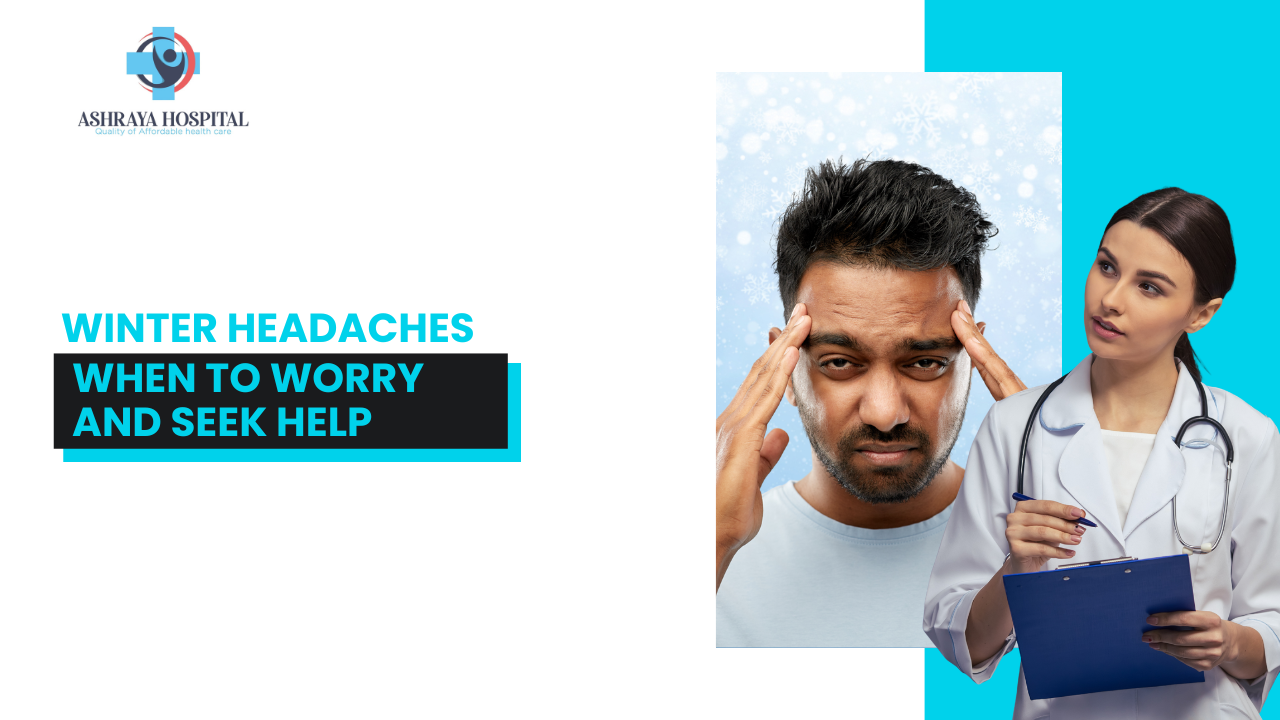
Winter brings welcome relief from the heat, but it also leads to a noticeable rise in headaches. Many people experience winter headaches triggered by cold air, dry indoor heating, sinus congestion, or sudden temperature changes. Most of these headaches are mild and manageable, but in some cases, they may signal an underlying medical issue that needs professional care. Understanding the difference between a routine winter headache and a warning sign is important for protecting your health.
This blog explains why headaches increase in winter, the types most commonly seen, and the symptoms that mean it is time to seek medical help. Recognising red flags early ensures timely treatment and helps prevent complications.
Cold weather affects the body in several ways, increasing the chances of headaches. When you step into cold air, the blood vessels in your head and face constrict suddenly, which can trigger pain. Indoors, heaters reduce humidity and dry out the sinuses, leading to dehydration and headaches.
Winter is also peak season for colds, flu, and sinus infections. Sinus congestion creates pressure in the forehead and around the nose, resulting in headaches. Reduced sunlight may also influence serotonin levels and trigger headaches or low mood. Lifestyle factors such as drinking less water, reduced physical activity, and long hours spent indoors add further to the risk.
1. Sinus Headache
Sinus headaches are common in cold weather. When the sinuses become blocked or inflamed due to allergies, infections, or cold air, pressure builds up in the forehead, cheeks, and behind the eyes. This creates a heavy, throbbing pain that worsens when bending forward.
2. Migraine Triggered by Cold Weather
Migraines can be triggered by sudden temperature changes, cold wind, and bright winter sunlight. They cause intense throbbing pain, nausea, sensitivity to light and sound, and sometimes visual disturbances.
3. Tension Headache
Cold temperatures often cause the neck and scalp muscles to tighten, leading to tension headaches. Stress, poor posture, and long periods indoors also contribute to muscle stiffness and headaches.
4. Cold Stimulus Headache
Also known as a brain freeze type headache, this occurs when the head or face is exposed to sudden cold. Although painful, it is short-lasting and generally harmless.
If you experience any of these symptoms, seek professional help immediately.
People with migraine, sinusitis, or hypertension often experience worse headaches in winter. Sudden temperature changes can trigger nerve sensitivity, leading to migraine attacks. Dry air leads to dehydration, causing headaches. Cold weather tightens neck and scalp muscles, making tension headaches more frequent.
Indoor allergens such as dust and mould can worsen sinus problems. People with high blood pressure may also notice increased headaches during winter because blood pressure tends to rise in cold conditions.
For mild and occasional headaches, several simple remedies can help. Staying hydrated is important, so warm water, soups, or herbal teas can be beneficial. Using a humidifier reduces dryness indoors and prevents sinus irritation. Steam inhalation eases sinus pressure, while warm compresses help relax stiff neck muscles. Regular stretching and neck exercises improve circulation and reduce muscle tension.
Covering your head and nose before stepping into cold air prevents sudden temperature-triggered headaches. Maintaining good sleep habits and limiting caffeine or alcohol also helps prevent headaches. These remedies are effective for mild discomfort but should not be relied on for severe or persistent headaches.
You should see a doctor if headaches occur frequently, become increasingly painful, or interfere with daily activities during winter or cold weather. Persistent sinus symptoms that last more than a week require medical evaluation. Headaches accompanied by dizziness, numbness, weakness, or vision problems should be assessed urgently. If common painkillers stop working or if your headaches match any of the warning signs listed above, specialist care is necessary.
Winter headaches are common, but it is important to recognise when they may indicate something more serious. Understanding warning signs and seeking timely medical help can prevent complications and provide long-term relief. If you are uncertain about the cause of your headaches, consulting a specialist is the best way to get clarity and effective treatment.
If your headaches intensify during the cold season, keep returning each winter or show any warning signs, the experts at Ashraya Multispeciality Hospital are ready to help. Book a consultation with our specialists for an accurate diagnosis and personalised treatment. Early evaluation ensures faster relief, fewer complications, and a healthier, more comfortable winter.