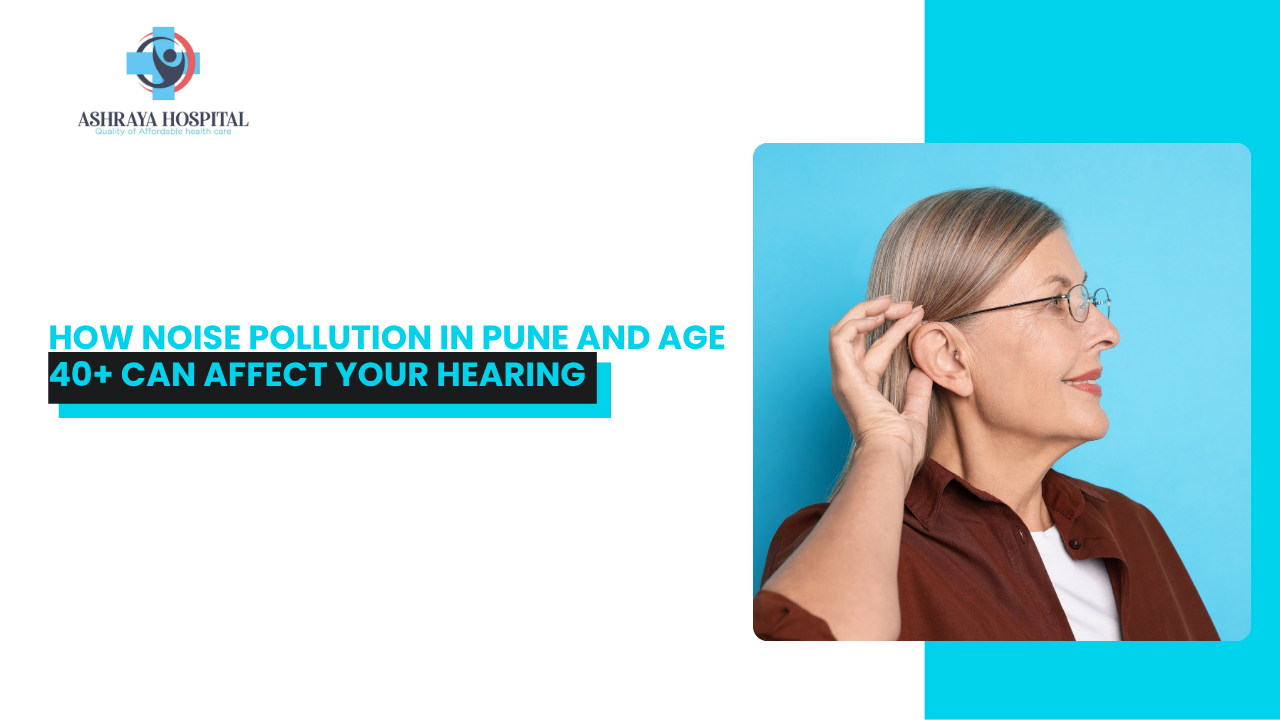
Pune, once known for its relatively calm environment, has rapidly transformed into a bustling urban hub. With increasing traffic congestion, construction activities, and urban expansion, noise pollution has become a growing concern. While constant exposure to loud sounds can affect individuals of all ages, those above 40 are particularly vulnerable.
As we age, our auditory system naturally undergoes gradual changes. When combined with prolonged exposure to high noise levels, this can significantly increase the risk of noise induced hearing loss. Understanding how environmental factors and ageing work together is essential for protecting long-term hearing health.
Noise induced hearing loss occurs when the delicate structures within the inner ear are damaged due to repeated or prolonged exposure to loud sounds. Tiny hair cells in the cochlea play a crucial role in converting sound waves into signals for the brain. Once these cells are damaged, they do not regenerate, making the condition irreversible.
In urban environments like Pune, common sources of harmful noise include:
Age-related hearing decline, also known as presbycusis, typically begins around the age of 40. While it progresses slowly, several physiological changes contribute to reduced hearing ability over time:
When individuals in this age group are also exposed to persistent environmental noise, the risk of hearing loss after 40 increases significantly. The ears become less resilient, and their ability to recover from noise-related stress diminishes.
For residents of Pune, daily life often involves unavoidable exposure to elevated noise levels. Whether commuting through busy roads or living near construction sites, continuous sound exposure has become part of the routine.
For adults over 40, this can result in:
Hearing loss rarely happens overnight. Recognising the early signs can make a significant difference in preventing further deterioration.
Common warning signs include:
Regular hearing assessments become increasingly important after the age of 40, particularly for individuals exposed to high noise levels.
You should consider scheduling a hearing test in Pune if you:
While some degree of age-related hearing loss may be inevitable, there are several steps you can take to minimise the impact of noise exposure:
Limit Exposure to Loud Sounds: Avoid prolonged stays in high-noise environments whenever possible. Take breaks to give your ears time to recover.
Use Ear Protection: Earplugs or noise-cancelling devices can significantly reduce exposure in noisy settings such as construction zones or crowded public events.
Maintain Safe Listening Habits: Keep the volume at moderate levels when using headphones or earphones. Follow the 60/60 rule-no more than 60% volume for 60 minutes at a time.
Adopt a Healthy Lifestyle: Conditions such as diabetes and hypertension can contribute to hearing problems. Managing overall health supports better auditory function.
Regular Check-Ups: Routine medical and hearing evaluations ensure early detection and timely intervention.
If hearing loss is detected, several treatment and management options are available depending on the severity and cause:
Seeking professional care is essential for accurate diagnosis and personalised treatment. Hearing issues can vary widely in cause and severity, making expert evaluation crucial.
Healthcare providers offer:
Consulting a qualified specialist ensures that hearing concerns are addressed appropriately and effectively.
If conversations are becoming harder to follow, sounds feel muffled, or ringing in the ears is becoming frequent, it is important to take these signs seriously. Hearing changes after 40, especially in a city like Pune with constant noise exposure, often develop gradually and can worsen without timely attention.
At Ashraya Multispeciality Hospital, our ENT specialists focus on identifying the underlying causes of hearing concerns, including noise induced hearing loss, and guiding patients with the right treatment approach. A timely hearing test in Pune can help detect issues early and support better long term hearing outcomes.
Schedule your consultation today and take a proactive step towards protecting your hearing.
FAQs