Smoking continues to be one of the leading causes of preventable respiratory diseases worldwide. Among the most serious conditions linked to long term smoking is Chronic Obstructive Pulmonary Disease, commonly known as COPD. Often referred to as “smokers’ lung”, this condition develops gradually and can significantly impact quality of life if left untreated.
Many individuals overlook the early symptoms, mistaking them for minor or temporary respiratory issues. Recognising the early signs of COPD is crucial for timely diagnosis and effective management. With increasing pollution levels and smoking habits in urban centres like Pune, awareness has become more important than ever.
COPD is a chronic lung condition that causes persistent airflow limitation, making it difficult to breathe. It includes conditions such as chronic bronchitis and emphysema, both of which damage the lungs over time.
Smoking is the primary cause of COPD. Harmful chemicals in tobacco smoke irritate and inflame the airways, leading to:
COPD develops slowly, and its early symptoms are often subtle. However, paying attention to these signs can help prevent further lung damage.
Persistent Cough
A long lasting cough, often referred to as a smoker’s cough, is one of the earliest warning signs. It may be dry or produce mucus and tends to worsen over time.
Shortness of Breath
Breathlessness during routine activities such as walking or climbing stairs can indicate reduced lung function. Many smokers dismiss this as a normal consequence of ageing, which can delay diagnosis.
Excess Mucus Production
Increased mucus or phlegm in the throat and chest is a common symptom. This may be more noticeable in the morning.
Frequent Respiratory Infections
Recurring chest infections or prolonged recovery from common colds can signal weakened lung defence mechanisms.
Fatigue
Reduced oxygen levels in the body can lead to persistent tiredness, even with minimal physical activity.
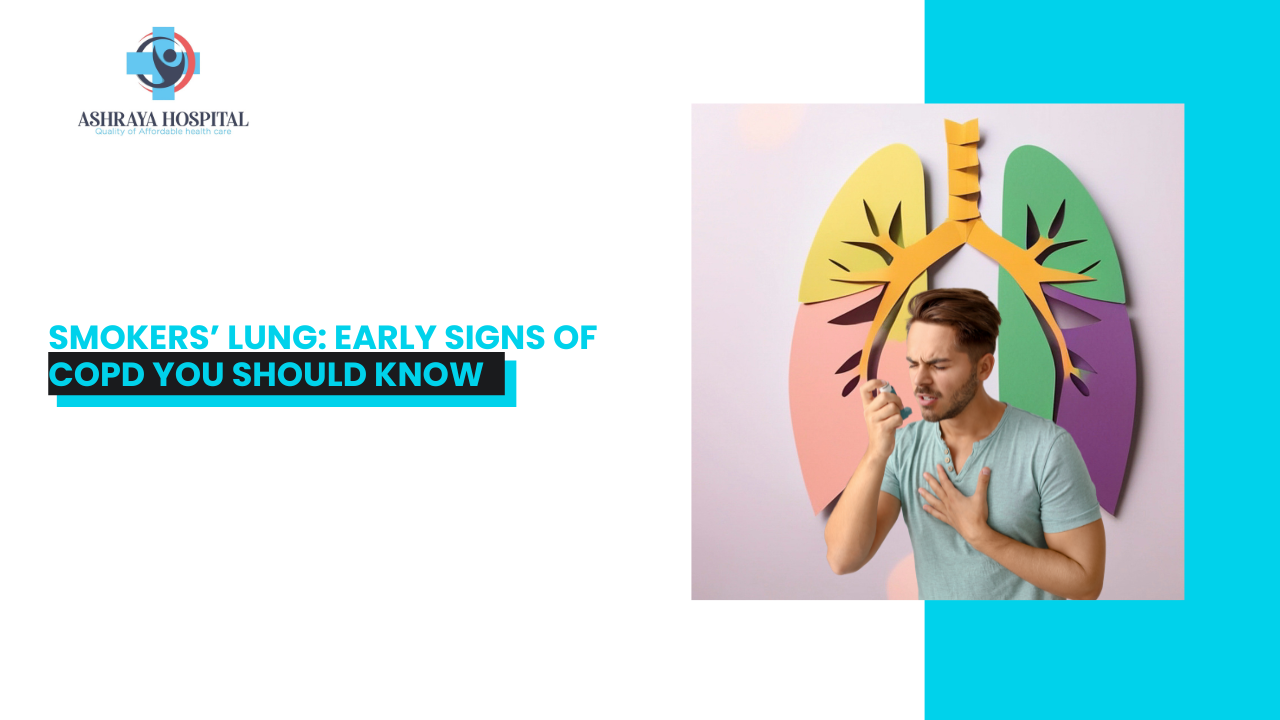
The term “smokers’ lung” is often used to describe the cumulative damage caused by smoking. While it is not a formal medical diagnosis, it reflects a range of symptoms associated with declining lung health.
Typical smokers lung symptoms include:
As COPD advances, symptoms become more severe and frequent. Understanding this progression can help individuals seek medical attention at the right time.
In the early stages, symptoms may appear only during physical exertion. However, as lung function declines:
While smoking is the primary cause, other factors can increase the risk of developing COPD:
Timely medical evaluation is essential for diagnosing COPD in its early stages. You should consider consulting a lungs specialist in Pune if you:
A specialist can perform diagnostic tests such as spirometry to assess lung function and confirm the diagnosis.
Although COPD is not fully reversible, early intervention and lifestyle changes can significantly slow its progression.
Quit Smoking: Stopping smoking is the most important step in protecting lung health. Even long term smokers can benefit from quitting.
Avoid Polluted Environments: Minimise exposure to dust, smoke, and air pollutants whenever possible.
Stay Physically Active: Regular exercise helps improve lung capacity and overall health.
Follow a Balanced Diet: Proper nutrition supports immune function and respiratory health.
Vaccinations: Flu and pneumonia vaccines can help prevent infections that may worsen COPD.
COPD management focuses on relieving symptoms, improving quality of life, and preventing complications.
Common treatment approaches include:
Detecting COPD in its early stages allows for better control of symptoms and slower disease progression. Early diagnosis helps:
If you have a history of smoking and notice ongoing cough, breathlessness, or frequent chest infections, it is important to seek timely medical attention. These may be early indicators of underlying lung conditions that require evaluation.
At Ashraya Multispeciality Hospital, our respiratory specialists focus on identifying the root causes of lung concerns and providing targeted treatment plans. Early assessment of COPD symptoms in smokers can help prevent further lung damage and improve long term outcomes.
Book your consultation today and take a proactive step towards better lung health.