
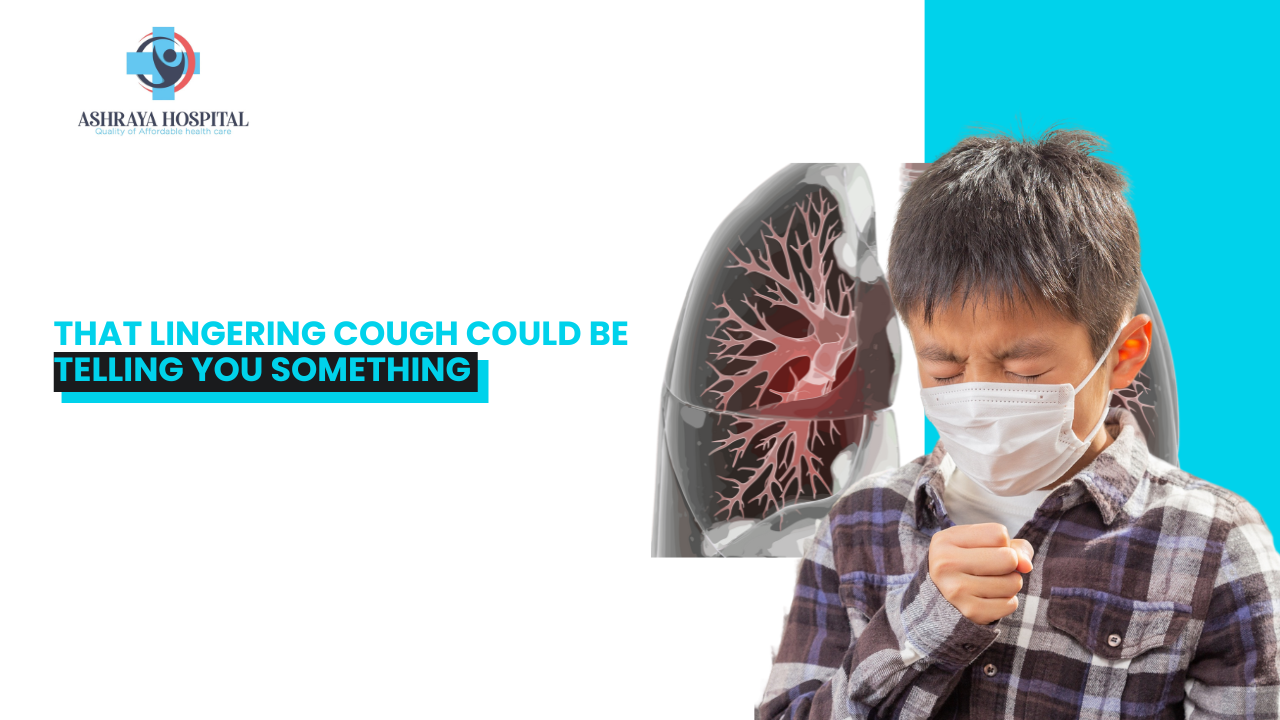
Coughing is one of the most common symptoms experienced by people of all ages. It is the body’s natural defence mechanism, helping clear irritants, mucus, and infections from the airways. Because coughing is so common, it is often dismissed as a minor irritation, seasonal issue, or something that will eventually go away on its own.
However, when a cough continues for weeks, it should not be ignored. A cough that lingers beyond the usual recovery period may indicate an underlying health condition that needs proper medical attention. Many people rely on home remedies, over-the-counter syrups, or repeated medicines for temporary relief without identifying the real cause.
Chronic cough is not something to normalise. Early evaluation helps protect long-term lung health, prevents airway damage, and ensures timely treatment before complications develop.
A cough is considered chronic when it lasts for more than three weeks. Acute coughs usually occur due to viral or bacterial infections and resolve within a short period. Chronic cough, on the other hand, persists even after the initial illness has settled. The duration of the cough is more important than how severe it feels. Even a mild but persistent cough can indicate airway irritation or disease.
One of the most common mistakes people make is focusing only on suppressing the cough rather than understanding why it is occurring. Repeated use of cough syrups or antibiotics without proper evaluation may temporarily reduce symptoms, but does not address the root cause. This delay can allow underlying conditions to worsen silently.
It is important to understand that a chronic cough is not always caused by infection. Multiple systems in the body can contribute to a long-lasting cough.
These are among the most common reasons for persistent coughing:
In many cases, people do not realise they have a respiratory condition because a cough is the only symptom.
Problems in the nose, throat, and sinuses can trigger continuous coughing:
These causes are often overlooked because the lungs may feel normal.
Chronic cough can also originate outside the respiratory system:
Identifying these contributors is essential for effective treatment.
Ignoring a chronic cough allows continuous irritation of the airways, which can lead to:
Delayed diagnosis may allow conditions such as asthma, COPD, or other lung diseases to progress unnoticed.
Chronic cough also affects daily life in several ways:
In some cases, serious lung conditions first present only as a lingering cough, making early evaluation critical.
You should seek medical evaluation if you experience any of the following:
Additional warning signs include:
These symptoms should never be ignored.
Effective diagnosis focuses on identifying the root cause, not just suppressing the symptom.
Evaluation usually includes:
Supporting investigations may include:
In some cases, care involves collaboration between:
This comprehensive approach ensures no contributing factor is missed.
There is no single medicine that works for every chronic cough.
Treatment is tailored based on diagnosis and may include:
Long-term relief depends on:
This approach prevents recurrence and reduces unnecessary medication use.
A pulmonologist should be consulted if a cough persists despite basic treatment or keeps recurring without a clear explanation. Cough accompanied by breathing difficulty or chest symptoms also requires specialist evaluation.
Individuals with a history of smoking, long-term pollution exposure, or occupational risk factors benefit from early pulmonology assessment. Specialist care focuses on accurate diagnosis, targeted treatment, and long-term respiratory protection.
Early evaluation offers several long-term benefits:
Addressing the cause early helps people return to normal daily activities with confidence.
Chronic cough is not something to accept or ignore. It is often the body’s signal that something deeper requires attention. Identifying the cause is the key to lasting relief and lung protection. Timely evaluation ensures healthier lungs, better sleep, and improved quality of life. Seeking medical care early can prevent complications and support long-term respiratory health.
If you or a loved one has been dealing with a cough that does not go away, it’s essential not to delay medical evaluation. At Ashraya Multispeciality Hospital, our respiratory care team focuses on identifying the root cause of persistent cough. Early diagnosis allows timely treatment, helps prevent long-term lung damage, and improves sleep quality. Book your consultation now!