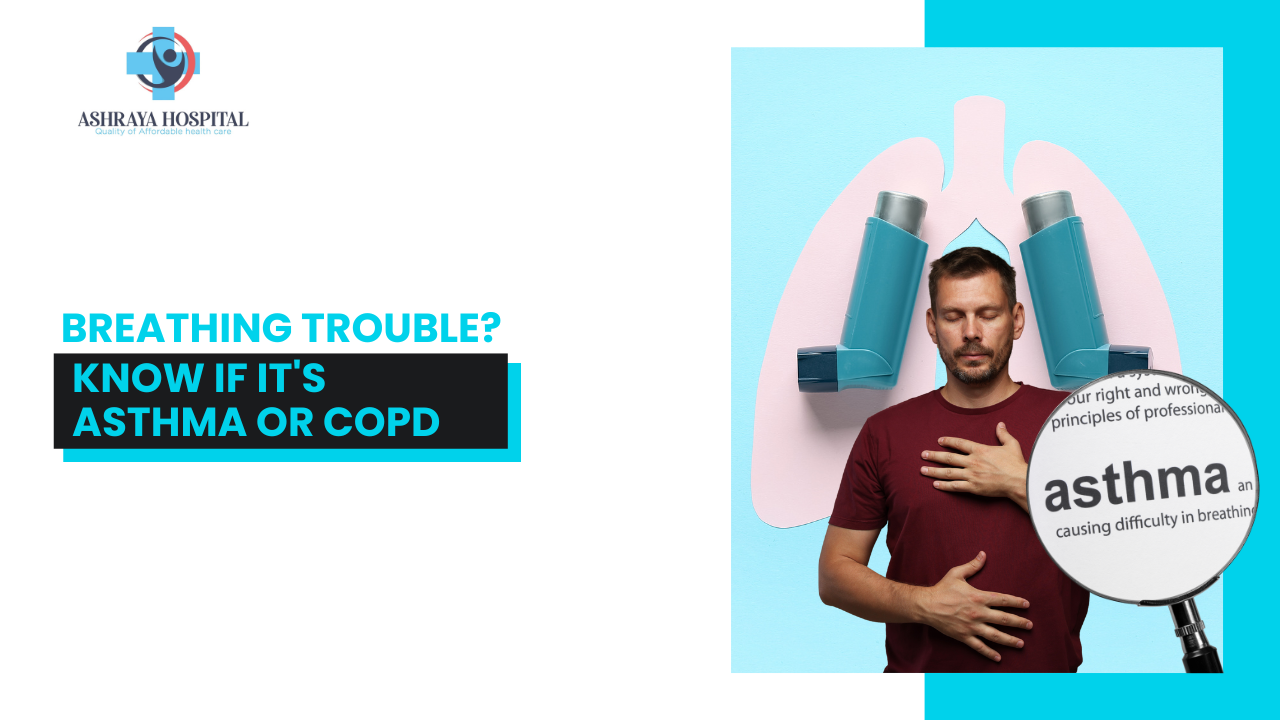
Breathing disorders are increasing around the world and affecting people across all age groups. Among the most common conditions are asthma and chronic obstructive pulmonary disease, both known to cause cough, wheezing, and shortness of breath. Because of their similar symptoms, it is common for people to confuse one condition with the other. Yet correct understanding is crucial. Asthma and COPD differ significantly in their causes, progression, and long-term management.
This blog explains the key differences, early symptoms, diagnostic methods, and how to recognise whether your breathing issues might be asthma or COPD.
Asthma is a chronic inflammatory condition that affects the airways. When triggered, the airways swell, tighten, and fill with mucus, making breathing difficult. Asthma symptoms are usually reversible with appropriate medication. Common triggers include allergens such as dust and pollen, physical activity, cold air, emotional stress, and respiratory infections.
On the other hand, COPD is a long-term progressive lung disease that includes chronic bronchitis and emphysema. It often develops after years of exposure to irritants such as cigarette smoke, pollution, chemical fumes, or industrial dust.
Unlike asthma, COPD causes permanent damage to lung tissue, and symptoms gradually worsen with time. For related information, you can read our detailed blog: What Are the Stages of COPD and How Do I Manage Them?
Diagnosis begins with a detailed medical history, including smoking habits, exposure to pollutants, and past respiratory illnesses. A physical examination helps assess breathing sounds and airflow. Spirometry is the key test to measure obstruction and check for reversibility.
Allergy testing supports an asthma diagnosis, while chest X-rays or CT scans help detect lung damage typical of COPD. The bronchodilator reversibility test remains one of the most reliable ways to distinguish the two conditions. Early and accurate diagnosis is essential for effective long-term management.
Seek immediate medical care if you have sudden, severe breathlessness, rapidly worsening symptoms, chest pain, or coughing up blood. Difficulty performing routine activities or frequent flare-ups also require prompt evaluation. Those who smoke or have long-term exposure to dust or pollutants should be particularly vigilant about persistent breathing problems.
Although asthma and COPD share many symptoms, they differ significantly in causes, progression, and long-term management. Recognising the difference helps you seek the right treatment at the right time. If you experience ongoing breathing problems, it is important to consult a specialist early. Proper diagnosis leads to improved control and better quality of life.
If you are unsure whether your symptoms indicate asthma or COPD, the specialist team at Ashraya Multispeciality Hospital is here to guide you. Book a consultation with Dr Mohan K T, the best pulmonologist in Pune, for precise diagnosis and personalised care. Early evaluation at Ashraya leads to easier breathing and a healthier future.